

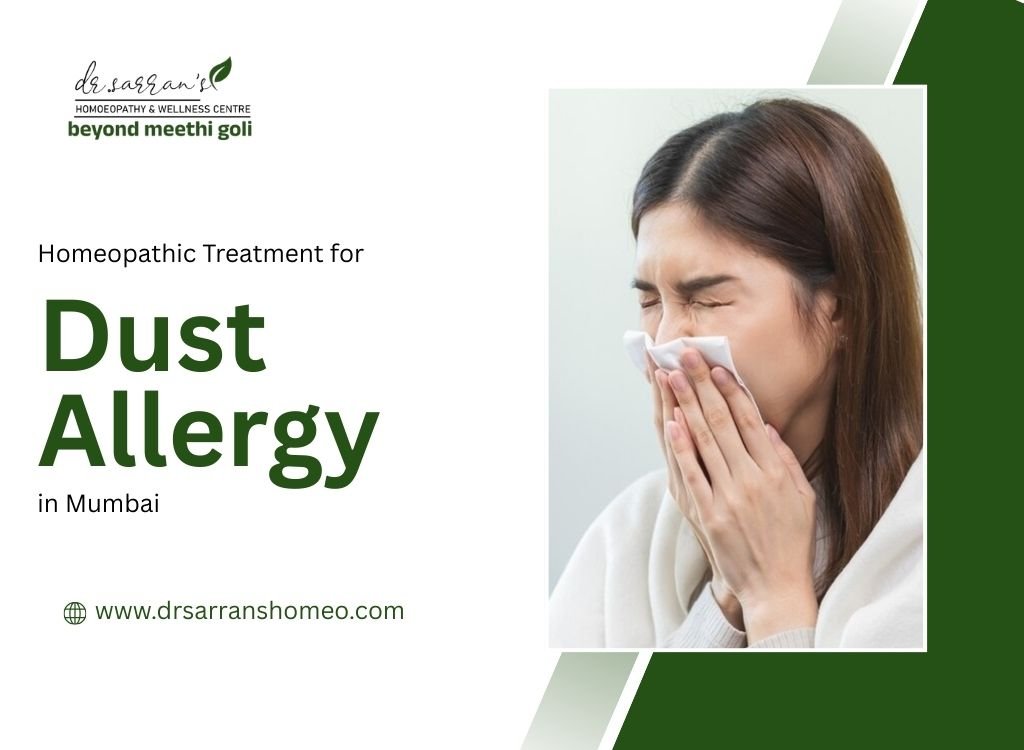
Dust allergy is a common health problem in many large cities. Pollution, construction dust, indoor dust mites, and seasonal changes often trigger allergic reactions in people. When someone with sensitive immunity breathes in dust particles, the body may react strongly and cause symptoms like sneezing, a runny nose, itchy eyes, throat irritation, and breathing discomfort. Because these symptoms can occur frequently, many people look for long-term solutions rather than temporary relief.
Many individuals search for help from an Homeopathic allergy treatment in Malad West when dust allergies start affecting their daily routine. Frequent sneezing in the morning, nasal blockage, watery eyes, and headaches can make it difficult to work, sleep, or concentrate. Some people also develop sinus issues or throat irritation because of continuous allergy attacks.
Dust allergy usually happens when the immune system treats harmless dust particles as harmful substances. This causes inflammation in the nose and airways. Over time, repeated exposure to allergens can increase the body’s sensitivity and make symptoms worse.
Natural approaches such as homeopathy aim to support the body’s natural healing process. Instead of only suppressing symptoms, treatment focuses on improving immunity and reducing the body’s sensitivity to allergens like dust and pollen.
Understanding Dust Allergy and Its Symptoms
Dust allergy occurs when the immune system reacts to tiny particles present in dust. These particles may include dust mites, pollen, mold spores, and pet dander. People living in polluted environments often experience dust-related allergies more frequently.
Many people consult the best allergy Homeopathic doctor in Mumbai when allergy symptoms become regular or severe. A proper diagnosis helps identify the triggers and determine the best treatment approach.
Common symptoms of dust allergy include:
• Frequent sneezing, especially in the morning
• Runny or blocked nose
• Itchy nose, throat, or eyes
• Watery eyes and redness
• Coughing and throat irritation
• Breathing discomfort in dusty environments
Dust mites are one of the most common causes of indoor allergies. They live in bedding, carpets, pillows, and upholstery. When these microscopic organisms spread into the air, sensitive people may develop allergic reactions.
Poor indoor air quality can also worsen dust allergy symptoms. Lack of ventilation, accumulation of dust, and humid environments may increase allergen levels inside homes.
Understanding these symptoms early can help people manage allergies before they become severe. Preventive care and proper medical guidance play an important role in controlling allergy triggers.
Importance of Consulting an Allergy Expert
Dust allergy may appear simple in the beginning, but repeated symptoms can disturb daily life. This is why many people choose to consult the best allergy specialist in Mumbai for proper diagnosis and long-term management.
An allergy expert studies the patient’s medical history, lifestyle habits, and environmental exposure before recommending treatment. This evaluation helps determine whether the symptoms are caused by dust mites, pollen, pollution, or other allergens.
Consulting an allergy specialist can help in many ways:
• Identify the exact cause of allergy symptoms
• Understand environmental triggers that worsen allergies
• Prevent complications such as sinus infection
• Improve breathing comfort and sleep quality
• Provide long term allergy management guidance
People who ignore allergy symptoms may develop chronic nasal inflammation or sinus issues. Early treatment helps prevent these complications and improves quality of life.
Experts also recommend lifestyle changes such as improving home cleanliness, using protective masks in dusty environments, and maintaining proper ventilation.
With the right medical advice, many people can significantly reduce the frequency of allergy attacks.
How an Allergy Homeopathic Doctor Approaches Dust Allergy
Many patients explore natural approaches when allergies occur frequently. Consulting an Allergy homeopathic doctor in Mumbai can help people understand how homeopathy approaches allergic conditions.
Homeopathy focuses on treating the individual rather than just the symptoms. The treatment process studies the patient’s physical symptoms, lifestyle habits, emotional health, and immune response.
A homeopathic approach aims to strengthen the body’s internal balance. When the immune system becomes stable, the body may react less strongly to allergens like dust.
Benefits of homeopathic care may include:
• Support for improving immune response
• Reduction in frequency of sneezing attacks
• Better nasal breathing
• Reduced sensitivity to environmental allergens
Homeopathic treatment is usually personalized. This means the medicine chosen for one patient may not be the same for another patient with similar symptoms.
Because the treatment focuses on overall health, many patients also experience improvement in energy levels and general well-being.
Benefits of Homeopathic Allergy Treatment
People suffering from repeated allergies often search for long-term options. Many individuals consider Homeopathic allergy treatment in Malad West because it focuses on gentle and natural care.
Homeopathy works on the principle of stimulating the body’s natural healing ability. Instead of suppressing symptoms temporarily, it aims to correct the internal imbalance responsible for allergic reactions.
Possible benefits of homeopathic allergy treatment include:
• Natural approach for managing allergy symptoms
• Focus on treating the root causes of allergies
• Support for strengthening immunity
• Reduced chances of frequent allergy recurrence
Patients are also advised to make simple lifestyle changes to support the treatment process. Maintaining good hygiene and reducing dust exposure helps control allergic triggers.
Homeopathy may be used for conditions such as allergic rhinitis, dust allergies, and seasonal pollen allergies.
When combined with healthy habits, natural treatment methods may help people manage allergies more effectively.
Why Many People Prefer Homeopathic Allergy Treatment
Many patients dealing with chronic allergies explore the best homeopathic allergy treatment in Malad West for long-term relief.
Frequent sneezing, nasal blockage, and throat irritation can affect productivity and sleep quality. Natural treatment approaches are often considered because they focus on improving the body’s natural defense system.
Reasons people consider homeopathic treatment include:
• Individualized treatment plans
• Gentle medicines designed to support natural healing
• Focus on long-term allergy management
• Improvement in immune system balance
Dust allergies are often linked with weak immunity or excessive sensitivity to environmental allergens. Homeopathy aims to reduce this sensitivity gradually.
Preventive care is also important for controlling allergy symptoms. Patients are encouraged to keep their living spaces clean and dust-free.
A combination of treatment and lifestyle improvements may help reduce the frequency of allergy episodes.
Understanding Allergy Treatment in Homeopathy
Many people explore allergy treatment in homeopathy when allergies become persistent or seasonal.
Homeopathy studies the pattern of symptoms experienced by each individual. For example, some people sneeze more in the morning while others experience nasal blockage at night.
Treatment focuses on improving the body’s reaction to allergens rather than simply suppressing symptoms.
Homeopathic treatment may help with:
• Sneezing caused by dust exposure
• Nasal congestion and sinus irritation
• Watery eyes and throat itching
• Allergic rhinitis symptoms
People who suffer from seasonal pollen allergies may also benefit from remedies designed for homeopathic remedy for pollen allergy.
This approach aims to improve the body’s tolerance toward allergens so that the intensity of reactions gradually reduces.
Consistency in treatment and proper lifestyle habits are important for achieving better results.
Natural Ways to Reduce Dust Allergy
Apart from medical treatment, certain lifestyle habits can help reduce dust allergy symptoms.
Simple preventive steps may significantly reduce exposure to dust and allergens.
Important practices include:
• Cleaning home surfaces regularly
• Washing bedding and pillow covers weekly
• Avoiding heavy carpets and thick curtains
• Keeping windows open for ventilation
• Using protective masks in dusty areas
Maintaining indoor hygiene plays a major role in controlling dust mite populations.
A healthy diet also supports the immune system. Fruits, vegetables, and adequate hydration help strengthen the body’s natural defenses.
People who follow preventive measures along with proper treatment often experience better allergy control.
FAQs About Allergy Homeopathy Treatment
1. Which medicine is best for dust allergy?
The best medicine depends on symptoms, severity, and medical evaluation. A healthcare professional usually recommends treatment after a proper diagnosis.
2. Which deficiency causes dust allergy?
Dust allergy usually occurs due to the immune system’s sensitivity to allergens rather than a specific vitamin deficiency in the body.
3. How to permanently remove dust allergy?
Dust allergy can be controlled through treatment, improved immunity, reducing dust exposure, and maintaining clean living environments.
4. How to treat dust mite allergy in kids?
Treatment usually includes reducing dust exposure, improving hygiene habits, and consulting a healthcare professional for proper allergy management.
5. What is the root cause of dust allergies?
Dust allergies occur when the immune system reacts strongly to dust mites, pollen, mold, or other environmental allergens.
6. Which vitamin is good for dust allergy?
Vitamins C and D support immune health and may help the body manage allergic reactions more effectively.
7. Can dust allergy be cured?
Dust allergy may not always be completely cured, but symptoms can be controlled with proper treatment and preventive care.
8. Which allergy medicine works best for dust?
The best medicine varies by individual symptoms and should be recommended by a healthcare professional after evaluation.
Conclusion
Dust allergy is a common health concern, especially in busy cities where pollution and dust exposure are high. Frequent sneezing, nasal congestion, watery eyes, and throat irritation can disturb daily activities and reduce comfort.
Understanding the triggers and symptoms of dust allergy is the first step toward managing the condition effectively. Early diagnosis and proper guidance from healthcare professionals can help identify the causes of allergic reactions.
Natural approaches such as homeopathy focus on improving the body’s internal balance and strengthening immunity. Instead of only suppressing symptoms, this approach aims to reduce the body’s sensitivity to allergens like dust and pollen.
Preventive care also plays a major role in allergy management. Maintaining a clean living environment, reducing dust exposure, and following healthy lifestyle habits can help control symptoms.
With proper treatment, awareness, and consistent care, many individuals can reduce the frequency of allergy attacks and experience improved respiratory health and overall well-being.