
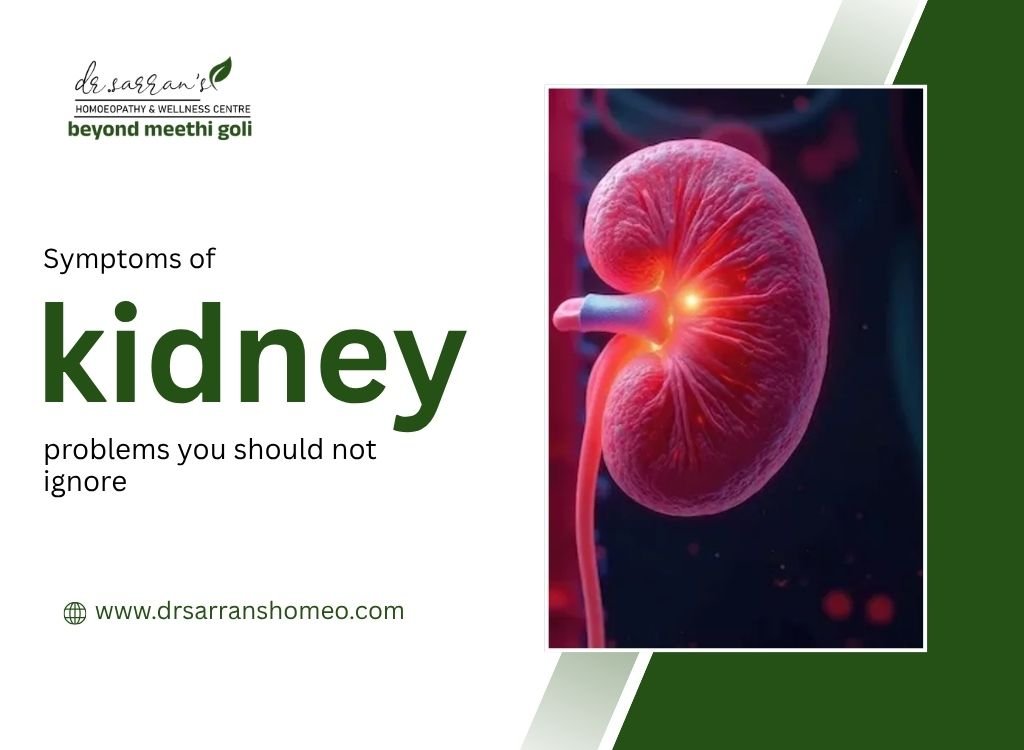
The kidneys are among the most resilient organs in the body. They continue functioning and compensating for damage long before symptoms become obvious. This is precisely why kidney disease symptoms are so frequently missed or mistaken for general tiredness, aging, or lifestyle-related complaints.
By the time most patients visit Dr. Sarran’s homeopathy clinic in Malad West with kidney-related concerns, they have often been experiencing subtle symptoms for months without connecting them to kidney health. Recognizing the early symptoms of kidney disease and responding quickly makes a significant difference to the trajectory of the condition.
Quick Fact: Chronic kidney disease is a growing health concern in India, with a large proportion of affected individuals unaware of their condition until it has reached an advanced stage. Poor hydration habits, unmanaged diabetes, hypertension, and excessive use of painkillers are among the leading contributors to kidney damage in urban populations.
What Are the Early Symptoms of Kidney Problems in Adults
What are the early symptoms of kidney problems in adults? is one of the most important questions you can ask for your long-term health. The kidneys filter blood, regulate fluid balance, control blood pressure, produce hormones that support bone health and red blood cell production, and remove waste through urine. When they begin to struggle, the effects spread throughout the body.
Here are the early and progressive symptoms that should prompt a consultation with a specialist in homeopathic kidney treatment in Malad West:
1. Frequent Urination, Especially at Night
Frequent urination causes related to kidney dysfunction include damage to the filtering units that normally concentrate urine efficiently. When these units are impaired, the kidneys produce more dilute urine in larger volumes. Waking repeatedly at night to urinate is a particularly telling early sign that should not be dismissed as simply aging or fluid intake.
2. Changes in Urine Appearance
Foamy or bubbly urine indicates protein is leaking into the urine, a sign that the kidney filters are not working properly. Dark, tea-colored, or cloudy urine may indicate concentrated waste, infection, or reduced filtration capacity. These changes in urine appearance are among the most diagnostically useful early symptoms of kidney disease.
3. Blood in Urine
Blood in urine symptoms, visible or detected through testing, represent a significant warning sign. Causes range from kidney stones and infections to glomerulonephritis and more serious kidney tissue damage. Visible blood in urine always requires prompt medical evaluation. It is never a symptom to wait and see about.
4. Swelling in Legs, Feet, and Ankles
Swelling in the legs and feet is a direct consequence of the kidneys losing their ability to remove excess sodium and fluid from the body. This fluid accumulates in the lower limbs due to gravity. Swelling that is persistent, worsening, or accompanied by other symptoms on this list is a kidney failure warning sign that needs urgent clinical attention.
5. Persistent Fatigue and Low Energy
Fatigue and kidney issues are directly linked through two mechanisms. First, damaged kidneys produce less erythropoietin, the hormone that signals the bone marrow to produce red blood cells. Fewer red blood cells mean less oxygen reaches tissues, resulting in the profound tiredness associated with kidney-related anemia. Second, the accumulation of waste products in the blood that healthy kidneys would normally remove creates a general feeling of malaise and mental fog.
6. Shortness of Breath
When the kidneys fail to remove excess fluid, it can accumulate in the lungs, making breathing feel effortful. Anemia from kidney disease also reduces oxygen delivery throughout the body, contributing to breathlessness during activities that would normally feel effortless.
7. Persistent Lower Back or Flank Pain
Pain in the lower back, particularly on one or both sides below the rib cage, can indicate kidney stones, infection, cysts, or kidney inflammation. This type of pain is distinct from typical muscle back pain and tends to be deeper, duller, and sometimes radiating toward the groin. It is a key indicator that kidney treatment for homeopathy in Mumbai evaluation is warranted.
8. High Creatinine Levels
High creatinine levels are typically identified through blood tests rather than felt directly, but they are one of the most reliable laboratory markers of reduced kidney filtration. Creatinine is a waste product of muscle metabolism that healthy kidneys continuously filter from the blood. When filtration declines, creatinine accumulates. Patients whose blood tests have returned elevated creatinine should seek specialist evaluation without delay.
Warning Signs of Kidney Disease You Should Not Ignore: Symptom Reference Table
Symptom | What It May Indicate | Urgency Level |
| Frequent urination at night | Impaired urine concentration ability | Moderate, evaluate if persistent |
| Foamy or bubbly urine | Protein leaking into urine | Moderate, test promptly |
| Blood in urine | Stones, infection, or kidney tissue damage | High, evaluate immediately |
| Swelling in legs and feet | Fluid retention from reduced filtration | High, evaluate promptly |
| Persistent fatigue | Kidney-related anemia or toxin buildup | Moderate, investigate the cause |
| Shortness of breath | Fluid in the lungs or anemia from kidney disease | High, evaluate immediately |
| Lower back or flank pain | Kidney stones, cysts, or inflammation | Moderate to high, depending on severity |
| Elevated creatinine on blood test | Reduced kidney filtration rate | High, specialist review required |
| Nausea and loss of appetite | Waste product buildup in the blood | Moderate, investigate the cause |
| Muscle cramps | Electrolyte imbalance from kidney dysfunction | Moderate, evaluate if recurring |
This table is a clinical reference to help patients identify whether their symptoms align with kidney health issues and understand when to seek care at a homeopathic kidney treatment in Mumbai.
How Homeopathic Kidney Treatment in Malad West Addresses Root Causes
Conventional management of kidney disease often focuses on controlling blood pressure, managing blood sugar, restricting protein intake, and, in advanced cases, preparing for dialysis or transplant. These are important interventions. But many patients, particularly those in early to moderate stages of kidney dysfunction, are looking for a complementary approach that supports the kidneys’ own healing capacity.
1. Homeopathic medicine for the kidneys:
Dr. Sarran’s clinic works by addressing the constitutional factors that make an individual susceptible to kidney disease in the first place. This includes stress responses, dietary habits, immune patterns, and genetic predispositions expressed through the patient’s individual symptom picture.
2. Homeopathic medicine for kidney stones:
Focuses on reducing the frequency of stone formation, supporting the passage of existing stones, and addressing the underlying metabolic tendencies that cause recurrent stone development. Patients who experience recurrent kidney stones despite dietary changes often find that constitutional homeopathic care makes a meaningful difference in frequency and severity.
3. Homeopathic medicine for a kidney cyst:
Addresses the tendency toward cyst formation within the individual’s overall health pattern. While homeopathy does not dissolve large structural cysts, constitutional treatment may reduce the progression of smaller cysts and manage associated symptoms such as pain, pressure, and urinary changes.
4. Homeopathic medicine for kidney failure:
In the early to moderate stages focuses on slowing the progression of declining kidney function, managing associated symptoms, and improving the patient’s quality of life during the course of the condition. This approach works most effectively alongside regular medical monitoring and is not a replacement for emergency or dialysis-dependent care when required.
How to Identify Kidney Problems at Home Naturally
How to identify kidney problems at home naturally begins with honest self-observation of the symptom patterns described in this guide. Here are practical self-assessment steps:
- Monitor your urine. Note any changes in color, consistency, frequency, volume, or odor that persist beyond a few days.
- Check for unexplained swelling in your lower limbs, particularly in the morning or after prolonged sitting.
- Track your energy levels. Persistent fatigue that does not respond to rest is worth investigating.
- Note any persistent lower back or flank pain that is not related to posture or physical activity.
- Be aware of persistent nausea, reduced appetite, or a metallic taste in the mouth, which can indicate waste buildup in the blood.
- Have basic blood and urine tests done periodically if you have risk factors such as diabetes, hypertension, or a family history of kidney disease.
These observations do not replace clinical diagnosis. They guide you toward seeking specialist evaluation at the right time, which is the single most important thing you can do for long-term kidney health.
Case Study
Ramesh, a retired school principal, experienced fatigue, ankle swelling, and frequent nighttime urination, which he initially ignored. Routine tests later revealed elevated creatinine and early-stage chronic kidney disease. While following medical advice, he sought supportive care at Dr. Sarran’s homeopathy clinic in Malad West.
After a detailed case analysis, a personalized homeopathic treatment plan was started, focusing on his symptoms, stress history, and lifestyle factors. Over time, his creatinine levels stabilized, swelling reduced, and energy improved.
Ramesh continues his homeopathic kidney treatment alongside regular medical monitoring, maintaining stable kidney health and a better quality of life.
FAQ’s About Homeopathic Kidney Treatment
Q1. What are the early symptoms of kidney problems in adults?
Frequent nighttime urination, foamy urine, fatigue, mild swelling, and lower back pain are common early kidney problem symptoms in adults.
Q2. What are the warning signs of kidney disease you should not ignore?
Blood in urine, severe swelling, persistent fatigue, shortness of breath, and elevated creatinine are kidney disease warning signs requiring prompt specialist evaluation.
Q3. How do I identify kidney problems at home naturally?
Monitor for changes in urine, unexplained swelling, persistent fatigue, flank pain, and reduced appetite. These patterns suggest kidney issues worth investigating clinically.
Q4. What are the symptoms of kidney failure in men and women?
Severe fatigue, marked fluid retention, reduced urine output, nausea, confusion, and breathlessness indicate advanced kidney failure in both men and women.
Q5. When should I see a doctor for kidney pain and urinary issues?
See a doctor if kidney pain, blood in urine, persistent swelling, or urinary changes last more than a few days without explanation.
Q6. Can homeopathy treat kidney stones effectively?
Yes. Homeopathic medicine for kidney stones addresses stone-forming tendencies, supports passage, and reduces recurrence through individualized constitutional treatment.
Q7. What causes high creatinine levels in the blood?
High creatinine results from reduced kidney filtration efficiency. It indicates the kidneys are not clearing waste adequately and requires specialist evaluation.
Q8. Is kidney disease reversible with early treatment?
Some early kidney conditions stabilize or partially improve with proper treatment. Early detection and consistent care significantly slow disease progression and protect function.
Conclusion
Kidney symptoms rarely announce themselves loudly in the early stages. They may present as fatigue, mild swelling, changes in urination, or a seemingly unremarkable blood test result that becomes unremarkable. Recognizing these signals and acting on them early is what separates manageable kidney health from advanced disease. Homeopathic kidney treatment in Malad West at Dr. Sarran’s clinic provides a careful, individualized approach that works alongside conventional care to support kidney function, address root causes, and improve quality of life. Your kidneys work silently to keep you well. They deserve the same attention in return.