
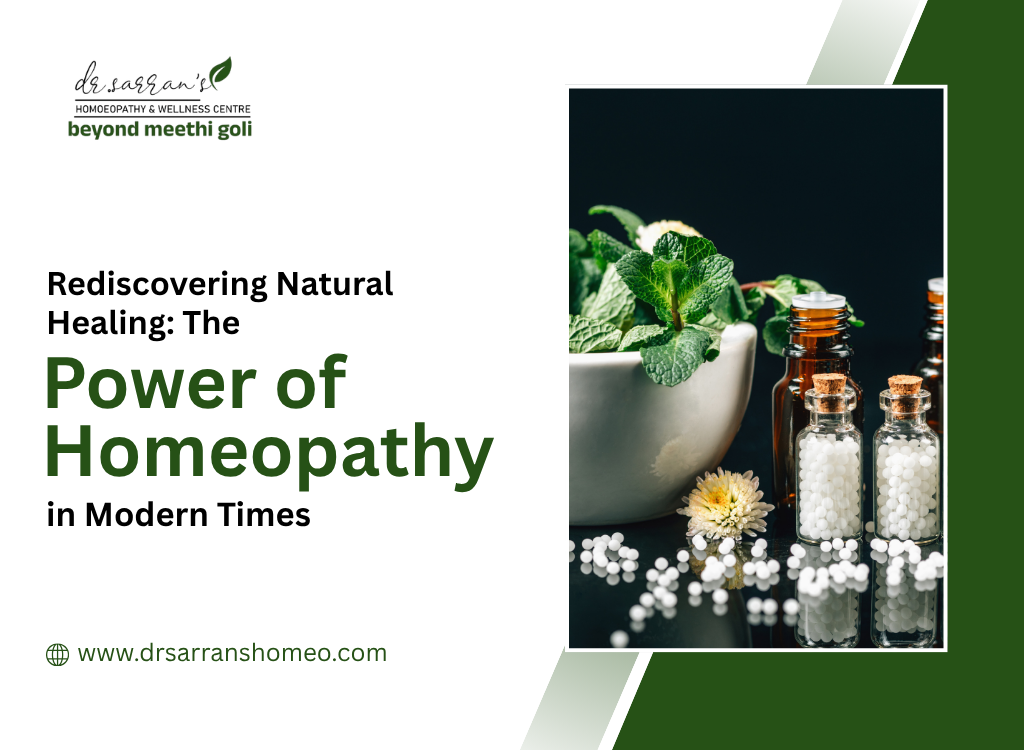
The power of homeopathy in modern times lies in its ability to offer gentle, personalised, whole-body care in an era increasingly focused on fast fixes and heavy medication. As more people seek natural, low-side-effect options for everyday health concerns, this 200-year-old system of medicine is finding renewed relevance alongside conventional healthcare.
A Brief Look at Homeopathy’s Roots
Homeopathy was developed in the late 18th century by Dr. Samuel Hahnemann, based on the principle that a substance capable of causing symptoms in a healthy person can, in a highly diluted form, help the body heal similar symptoms. This idea of “like cures like” remains the foundation of homeopathic practice today.
Over two centuries later, homeopathy is officially regulated in India under the Ministry of AYUSH, practised by doctors who complete a formal BHMS degree. This regulatory recognition is part of why the system has endured, even as medical science has evolved dramatically around it.
Homeopathy spread globally through the 19th century, particularly across Europe and later India, where it found a lasting place alongside traditional and conventional medicine. Today, India has one of the largest homeopathic patient bases in the world, supported by dedicated colleges, hospitals, and government regulation, a legacy that continues to shape how the system is practised in cities like Mumbai.
The Power of Homeopathy in Modern Times: Why It’s Regaining Popularity
Modern life brings unique health challenges, chronic stress, processed diets, environmental pollution, and rising rates of lifestyle-related conditions. Many people are now looking for approaches that address these root causes rather than only managing symptoms as they appear.
Homeopathy fits this shift for several reasons:
- Personalised care: Treatment considers your whole health picture, not just an isolated complaint.
- Minimal side effects: Appeals to patients wary of long-term medication dependency.
- Whole-body focus: Addresses physical, emotional, and lifestyle factors together.
- Long-term suitability: Gentle enough for extended, ongoing use across all age groups.
This renewed interest reflects a broader modern trend toward integrative healthcare, where patients increasingly combine natural and conventional approaches rather than choosing one exclusively.
Social media and greater health awareness have also played a role, with more patients researching treatment options and asking informed questions before committing to a plan. This shift favours homeopathy’s traditionally detailed, conversation-driven consultation style, which many patients find refreshing compared to shorter, symptom-focused appointments elsewhere.
Homeopathy for Everyday Health Concerns
One of the most practical aspects of homeopathy today is its use for common, everyday complaints that affect quality of life.
These are the concerns that often do not require emergency care but still meaningfully disrupt daily comfort and productivity, exactly the kind of chronic, recurring issues where homeopathy’s gradual, whole-body approach tends to fit well alongside, or sometimes in place of, repeated short-term symptom relief.
Headaches: Frequent or stress-related headaches are among the most common reasons patients seek homeopathic medicine for headache relief, since treatment is matched to the specific pattern, triggers, and timing of each individual’s headaches rather than a generic painkiller approach.
Menstrual discomfort: Many women explore homeopathic medicine for periods pain as a gentler alternative to repeated use of over-the-counter painkillers, particularly when cramps are recurring on a monthly basis.
Seasonal allergies: A homeopathic remedy for allergy symptoms is often chosen by patients dealing with recurring sneezing, congestion, or skin reactions triggered by dust, pollen, or seasonal changes.
Immune resilience: Supporting the body’s natural defences through homeopathic medicine for immune system support has become increasingly popular, especially among patients prone to frequent colds or seasonal infections.
These everyday applications reflect the practical, accessible side of the power of homeopathy in modern times, addressing the small but persistent health concerns that affect daily life.
Homeopathy and Kidney Health: What You Should Realistically Expect
Chronic kidney disease is a serious, progressive condition currently without a cure in any system of medicine, and it requires ongoing nephrology care, including regular monitoring, medication, and, in advanced stages, dialysis or transplantation.
Any claim that homeopathy for kidney disease can reverse kidney damage, avoid dialysis, or replace nephrology treatment should be approached with significant caution, since this is not supported by current medical evidence. What homeopathy may offer is gentle, supportive care for general wellbeing alongside your prescribed nephrology treatment, never as a substitute for it.
If you have kidney disease, continuing regular check-ups, blood tests, and prescribed treatment with your nephrologist remains essential, regardless of any complementary care you choose to explore.
This kind of transparency matters most for serious, progressive conditions, where patients deserve accurate information rather than hopeful marketing. A responsible homeopathic doctor will always be upfront about these limitations while still offering genuine, supportive care for general wellbeing alongside your primary medical treatment.
Homeopathy vs Conventional Medicine: A Modern Comparison
| Factor | Homeopathy | Conventional Medicine |
| Approach | Whole-person, individualised | Disease and diagnosis focused |
| Best suited for | Chronic, lifestyle, everyday concerns | Acute, emergency, and serious conditions |
| Side effects | Generally minimal | Varies by treatment |
| Speed of relief | Gradual | Often faster for acute issues |
| Regulation in India | AYUSH-regulated, licensed BHMS doctors | Regulated by Medical Council/NMC |
Modern, well-informed healthcare often means combining both systems thoughtfully rather than viewing them as competing alternatives.
What a Modern Homeopathic Consultation Looks Like
Today’s homeopathic consultations typically go beyond a quick symptom checklist. A thorough evaluation usually includes:
- Detailed discussion of your current symptoms and daily routine
- Review of your medical, family, and lifestyle history
- Assessment of stress levels and emotional wellbeing
- A personalised remedy plan with realistic, honest timelines
This modern, detailed approach is a significant part of what continues to make homeopathy relevant, even as healthcare technology and treatment options evolve around it.
Why Choose Dr. Sarran Dhillon Homeopathy Clinic
If you are searching for the best homeopathy doctor in Mumbai for natural, whole-body care, honest guidance about what homeopathy can genuinely offer matters as much as the remedies themselves.
As a trusted homeopathy clinic in Juhu, Dr. Sarran Dhillon Homeopathy Clinic focuses on detailed case-taking, realistic expectations, and personalised treatment plans built around your everyday life and long-term health goals.
Frequently Asked Questions
Is homeopathy still relevant in modern medicine?
Yes, homeopathy remains a regulated, widely used system of medicine in India, particularly valued for gentle, long-term support of chronic and everyday health concerns.
Can homeopathy be combined with conventional treatment?
Yes, many patients today combine both approaches under professional guidance for more complete, well-rounded healthcare.
Is homeopathy effective for chronic conditions?
Homeopathy can offer meaningful supportive care for many chronic, lifestyle-related conditions, though serious or progressive diseases still require appropriate conventional medical management.
How is homeopathy different from herbal medicine?
Homeopathy uses highly diluted substances selected based on symptom similarity, while herbal medicine typically uses plant extracts in more concentrated, direct forms for specific effects.
Is homeopathic treatment safe for long-term use?
Yes, homeopathic remedies are generally gentle and well tolerated, making them suitable for extended, ongoing use under professional guidance.
Conclusion
So, what truly defines the power of homeopathy in modern times? It is the combination of a 200-year-old, whole-person philosophy with a genuinely personalised, low-side-effect approach to everyday health concerns like headaches, allergies, period pain, and immune resilience. As an experienced homeopathy doctor in Juhu, Dr. Sarran Dhillon continues to help patients navigate modern health challenges with honest, evidence-aware guidance, always respecting the limits of what any single system of medicine can achieve.
Ready to Experience Personalised, Natural Healing?
If you want to explore the genuine power of homeopathy in modern times for your own health concerns, book a consultation at Dr. Sarran Dhillon Homeopathy Clinic in Juhu, Mumbai, today. Get honest, personalised guidance built around your real health goals.